Planning travel for a sports team is no small task. Whether it’s a high school basketball team, a professional football squad, or a college soccer group, coordinating the logistics, schedules, and resources takes careful preparation.
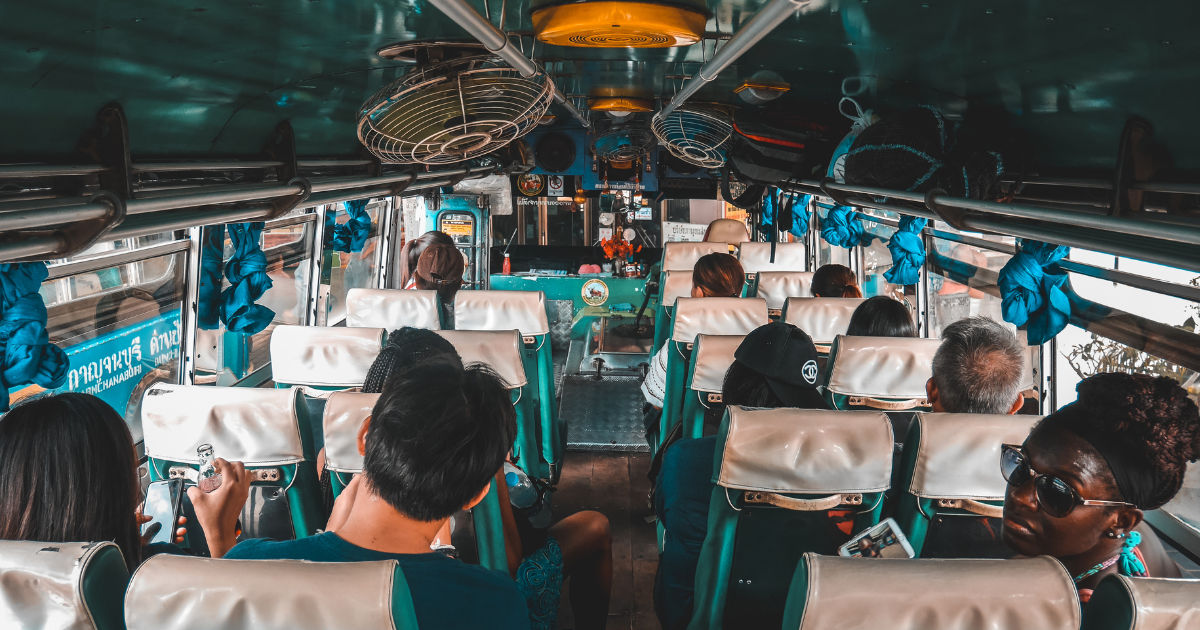
For any team, successful trips often start long before anyone boards a bus, plane, or train. From booking flights and accommodations to organizing meals and gear transport, every detail must be addressed.
This guide explores what goes into team travel planning and highlights best practices to ensure smooth trips for athletes, coaches, and staff. We will also focus on the important role of Sports Teams Transfers in making these trips seamless.
Team Travel Needs
Before making any arrangements, it is crucial to understand the specific needs of the team. Every team is different, and travel plans should reflect their size, age, and the type of competition.
Assessing Team Size and Composition
Team size is a key factor in planning. A 15-player basketball team traveling with coaches, medical staff, and support personnel requires different arrangements than a 30-member soccer team. Travel planners must consider the number of rooms, seats on transportation, and meals to accommodate everyone comfortably.
Evaluating Travel Frequency
Some teams travel frequently for tournaments, away games, or training camps, while others only travel once or twice a season. Frequent travelers may benefit from partnerships with travel agencies or long-term contracts with hotels and transport companies to save costs and streamline logistics.
Considering Special Requirements
Teams often have specific needs. This may include dietary restrictions, medical conditions, or equipment requirements. For example, baseball teams need to transport bats, gloves, and protective gear, while cycling teams require space for bikes. Understanding these details early is critical for effective planning.
Booking Transportation
Transportation is one of the most important aspects of team travel planning. The right transportation ensures safety, punctuality, and comfort.
Choosing the Mode of Travel
Depending on the distance and budget, teams can travel by bus, train, or plane.
-
Buses: Ideal for regional travel. Charter buses provide flexibility and allow teams to carry equipment easily.
-
Trains: Useful for medium-distance travel, particularly in urban areas with good rail connectivity.
-
Planes: Necessary for long-distance or international trips. Air travel requires careful coordination to manage luggage and equipment.
Coordinating Sports Teams Transfers
A significant part of travel planning is ensuring smooth Sports Teams Transfers from airports or stations to hotels, stadiums, or training grounds. Transfers must be timely, reliable, and safe. Many professional teams hire specialized services that understand the challenges of moving large groups of athletes and their gear.
Ensuring Safety and Comfort
During transportation, comfort is essential to maintain players’ energy and focus. Modern buses with reclining seats, entertainment options, and climate control enhance comfort. Airlines and train services with group bookings can help secure adjacent seating to keep the team together.
Accommodation Planning
Where a team stays can influence performance. Choosing the right hotel or lodging requires careful attention.
Selecting Suitable Hotels
Hotels close to training grounds or stadiums reduce travel stress. Key factors to consider include:
-
Room arrangements that suit players and staff
-
Availability of fitness or recovery facilities
-
Dining options aligned with dietary needs
Group Bookings and Negotiations
Booking for a team often requires negotiation for discounts and flexibility. Many hotels offer special packages for teams, including meal plans, early check-ins, and meeting spaces for strategy sessions.
Handling Special Requests
Teams may have unique requirements like extra beds, mini-fridges for nutrition plans, or rooms with meeting areas for coaches’ briefings. Planning these ahead ensures a smooth stay.
Meal Planning and Nutrition
Athletes’ performance depends heavily on nutrition. Meals must be carefully organized during travel.
Coordinating Dietary Needs
Players may have allergies, vegetarian diets, or specific performance-based nutritional plans. Travel planners should coordinate with hotels or caterers to meet these needs.
Scheduling Meals Around Activities
Travel can disrupt regular meal times. Planners must create schedules that ensure players eat at optimal times for energy and recovery, avoiding delays before games or training sessions.
Hydration and Snacks
Hydration is just as critical as meals. Providing water, sports drinks, and snacks during transit helps maintain energy and focus.
Equipment and Gear Management
Every sports team has equipment that needs careful handling. Poor planning can lead to lost or damaged gear.
Inventory and Packing
Before the trip, create a detailed inventory of all equipment. Label bags clearly and assign responsibility to specific staff members. This reduces confusion during transfers and arrival.
Transportation of Equipment
Specialized transport services can handle large or fragile items. For example, hockey sticks, skis, or team banners may need custom packaging to prevent damage.
Maintenance and Readiness
Some gear may need maintenance or preparation before matches. Ensure there is time and space for this at the hotel or training facility.
Scheduling and Itinerary Management
A detailed schedule keeps everyone on track and reduces stress.
Creating a Travel Itinerary
An itinerary should include:
-
Departure and arrival times
-
Hotel check-in and check-out times
-
Training sessions or warm-ups
-
Game times and locations
-
Transfer times for Sports Teams Transfers
Communication and Accessibility
All team members should have access to the itinerary. Sharing it via apps or printed copies ensures everyone is informed. Emergency contact numbers and local information should also be included.
Contingency Planning
Delays, cancellations, or unexpected events can disrupt travel. Having contingency plans, like alternative routes or backup accommodations, ensures the team stays on schedule.
Budgeting and Cost Management
Team travel can be expensive, so careful budgeting is crucial.
Estimating Costs
Costs include transportation, accommodation, meals, equipment shipping, and miscellaneous expenses. Planning a detailed budget helps avoid surprises.
Cost-Saving Strategies
Booking early, negotiating group discounts, and using partnerships with travel providers can reduce costs. Teams can also consider traveling during off-peak times to save money.
Tracking Expenses
Maintain a record of all expenses to monitor spending and plan future trips more efficiently. This also helps coaches and management stay accountable.
Staff Roles and Responsibilities
Effective team travel planning requires collaboration among staff members.
Travel Coordinators
They oversee the entire process, from booking transportation and accommodations to managing itineraries and transfers.
Coaches and Managers
Coaches ensure athletes are prepared and provide guidance on schedules, training, and recovery during travel. Managers often handle administrative tasks and communication.
Medical and Support Staff
Healthcare providers travel with the team to handle injuries, monitor fitness, and manage nutrition. They also coordinate with hotels for medical needs.
Technology in Team Travel Planning
Modern technology simplifies team travel planning significantly.
Travel Management Software
Software solutions allow planners to organize bookings, track schedules, and manage budgets efficiently.
Mobile Apps
Apps provide instant updates to athletes and staff about flight changes, game times, or transfer schedules.
Communication Tools
Group chats, email notifications, and cloud-based documents ensure everyone stays informed and connected.
Tips for Stress-Free Team Travel
Even with careful planning, travel can be stressful. Here are some tips to make it easier:
-
Plan well in advance to avoid last-minute issues.
-
Assign responsibilities to specific staff members for accountability.
-
Keep travel documents, IDs, and tickets organized.
-
Ensure athletes get adequate rest during transit.
-
Maintain flexibility for unexpected changes.
Conclusion
Team travel planning is a complex process that requires attention to detail, organization, and foresight. From booking transportation and accommodations to managing meals, equipment, and schedules, every aspect must be considered to ensure athletes perform at their best. The role of Sports Teams Transfers cannot be underestimated—they ensure smooth, timely, and safe movement from one location to another. By combining careful planning, technology, and clear communication, teams can travel efficiently, reduce stress, and focus on their ultimate goal: winning games and enjoying the journey.
Well-executed team travel planning not only ensures logistical efficiency but also contributes to overall team morale, performance, and safety. Teams that prioritize these details often experience smoother trips, better performance, and stronger team cohesion.