Sofa Reupholstery: What to Expect From Start to Finish?

If you are looking to refresh your living space, sofa reupholstery Los Angeles can be a fantastic option. Whether your sofa has worn-out fabric, outdated style, or just needs a personal touch, reupholstering it can bring new life to your furniture. Many homeowners in Los Angeles are choosing reupholstery over buying new sofas because it’s cost-effective, environmentally friendly, and allows for custom designs. 

Sofa Reupholstery

Sofa reupholstery is the process of replacing the fabric, padding, springs, and sometimes the frame of a sofa to restore or improve its appearance and comfort. It’s not simply about changing the cover; it’s about giving your furniture a complete transformation while maintaining its structural integrity.

Reupholstery is ideal for sofas that are structurally sound but have cosmetic issues, such as tears, stains, or faded fabric. It is also perfect for families who want a customized look without the expense of purchasing an entirely new sofa.

Benefits of Sofa Reupholstery

  1. Cost-Effective: Reupholstering can save money compared to buying a brand-new designer sofa.

  2. Customization: Choose fabrics, patterns, colors, and finishes that suit your home décor.

  3. Eco-Friendly: Reduces waste by repurposing existing furniture instead of sending it to a landfill.

  4. Sentimental Value: Keep family heirlooms or antique pieces intact with a refreshed look.

  5. Quality Improvement: Upgrade old materials, padding, and springs for better comfort and durability.

In Los Angeles, homeowners often seek sofa reupholstery Los Angeles services to maintain style consistency with modern interior design trends while preserving classic furniture pieces.

Preparing for Sofa Reupholstery

Before the reupholstery process begins, preparation is key. Proper planning ensures the final result meets your expectations.

Assessing Your Sofa

Evaluate your sofa’s condition. Check for:

  • Loose frames or broken springs

  • Worn-out cushions

  • Fabric stains, tears, or fading

If your sofa has structural damage, repair may be necessary before reupholstery. Some professionals offer combined services for frame repair and fabric replacement.

Choosing Fabric and Material

Fabric choice significantly affects the sofa’s appearance and durability. Options include:

  • Cotton and linen: Breathable and comfortable but may stain easily.

  • Leather: Luxurious and long-lasting, but more expensive.

  • Microfiber: Durable, stain-resistant, and easy to clean—ideal for families with children or pets.

  • Velvet: Elegant and soft, adding a touch of sophistication.

Your choice should reflect lifestyle, budget, and aesthetic preferences. In Los Angeles, where interior design trends vary widely, many homeowners prefer bold colors and textured fabrics to make a statement.

Finding a Professional

While DIY reupholstery is possible, hiring a professional ensures quality and precision. Look for services specializing in sofa reupholstery Los Angeles with experience in fabric selection, frame repair, and custom finishes. Ask for:

  • Customer reviews and testimonials

  • Portfolio of past projects

  • Transparent pricing and timelines

A professional can also provide advice on fabrics that resist fading under California sunlight and match your décor style.

The Sofa Reupholstery Process

The actual reupholstery process involves several steps. Understanding them helps manage expectations and ensures smooth communication with your upholsterer.

Step 1: Sofa Removal and Evaluation

Once you hire a professional, the first step is sofa pickup or in-home evaluation. They will:

  • Inspect the frame, cushions, and springs

  • Measure dimensions for fabric cutting

  • Discuss customization options with you

At this stage, you may finalize fabric choice, color, and any additional design elements like tufting, piping, or decorative trim.

Step 2: Disassembly

The sofa is carefully disassembled. This includes:

  • Removing old fabric, staples, or tacks

  • Detaching cushions and springs if necessary

  • Labeling pieces to ensure accurate reassembly

Disassembly allows the upholsterer to identify hidden damage and determine the best repair methods. This step ensures the sofa will look flawless once reassembled.

Step 3: Frame and Cushion Repair

Before new fabric is applied, the frame and cushions may need attention. Common repairs include:

  • Reinforcing wooden frames

  • Replacing broken springs

  • Adding new padding to cushions

  • Ensuring even support and comfort

Quality repair at this stage ensures your sofa not only looks good but also feels great for years to come.

Step 4: Cutting and Sewing Fabric

Next, the chosen fabric is cut to fit the sofa’s dimensions. Professionals often use precision techniques to avoid waste and ensure patterns align perfectly. Sewing includes:

  • Stitching seams

  • Adding padding or lining where necessary

  • Attaching decorative elements like buttons or tufting

Proper sewing guarantees a neat, professional finish that looks custom-made.

Step 5: Upholstering

The new fabric is carefully applied to the sofa:

  • Fabric is stretched over the frame to remove wrinkles

  • Staples or tacks secure it in place

  • Cushions are covered, ensuring a tight, smooth finish

Attention to detail at this stage is critical. Any misalignment or loose fabric can ruin the sofa’s appearance.

Step 6: Final Touches

After upholstering, final touches include:

  • Trimming excess fabric

  • Adding decorative piping, nails, or trims

  • Reassembling the sofa, ensuring everything fits perfectly

The sofa is then thoroughly inspected for quality, comfort, and durability. A professional may also provide care instructions to help your sofa last longer.

Timeline for Sofa Reupholstery

The entire reupholstery process typically takes between 2 to 6 weeks, depending on:

  • Sofa size and complexity

  • Fabric availability

  • Extent of repairs needed

  • Custom design elements

Smaller sofas or single chairs may take less time, while large sectional sofas often require more extended attention. In Los Angeles, many upholstery shops offer expedited services if needed.

Cost of Sofa Reupholstery in Los Angeles

Cost varies based on several factors:

  1. Size of the sofa: Larger sofas require more fabric and labor.

  2. Fabric type: Leather or designer fabrics cost more than cotton or polyester.

  3. Repairs: Structural repairs or spring replacement increase costs.

  4. Customization: Special stitching, tufting, or patterns can add to the price.

On average, reupholstering a standard sofa in Los Angeles can range from $800 to $2,500, but high-end custom work can go beyond $3,500. While this may seem expensive, it’s often cheaper than buying a premium new sofa while giving you exactly the design you want.

DIY Sofa Reupholstery: Pros and Cons

Some homeowners attempt DIY reupholstery to save money. While it’s possible, consider these pros and cons:

Pros:

  • Lower cost if you already have tools and materials

  • Complete control over fabric and design

  • Personal satisfaction in completing a project

Cons:

  • Requires time, skill, and patience

  • Mistakes can be costly and difficult to fix

  • Complex sofas are challenging to handle without professional equipment

For most people, hiring a professional for sofa reupholstery Los Angeles ensures a better outcome, especially for high-quality or sentimental pieces.

Caring for Your Newly Upholstered Sofa

Once your sofa is reupholstered, proper care is crucial to maintain its appearance and longevity:

  1. Regular Cleaning: Vacuum fabric weekly to remove dust and debris.

  2. Spot Treatment: Clean spills immediately using manufacturer-recommended methods.

  3. Sunlight Protection: Keep fabric away from direct sunlight to prevent fading.

  4. Rotate Cushions: Prevent uneven wear by rotating cushions periodically.

  5. Professional Maintenance: Schedule occasional professional cleaning to preserve fabric quality.

With these practices, your newly reupholstered sofa can remain beautiful and comfortable for many years.

Common Questions About Sofa Reupholstery

How long does sofa reupholstery last?

A professionally reupholstered sofa can last 10 to 20 years or longer with proper care.

Can all sofas be reupholstered?

Most sofas can be reupholstered, but severely damaged frames or molded cushions may not be cost-effective to repair.

Is reupholstery better than buying a new sofa?

It depends on the sofa’s quality and your budget. High-quality or antique sofas often benefit from reupholstery, while inexpensive models may be cheaper to replace.

How do I find the best service in Los Angeles?

Look for reviews, portfolios, and recommendations. Make sure the service specializes in sofa reupholstery Los Angeles and has experience with the type of sofa you own.

Conclusion

Sofa reupholstery is an excellent way to breathe new life into your furniture. From assessing the sofa and choosing the perfect fabric to professional disassembly, repairs, and final touches, the process transforms old, worn-out pieces into stylish, comfortable additions to your home.

For homeowners in Los Angeles, seeking sofa reupholstery Los Angeles services can be a worthwhile investment. It offers customization, cost-effectiveness, and sustainability while preserving the sentimental or aesthetic value of your furniture.

Whether you hire a professional or attempt a DIY project, understanding what to expect from start to finish ensures a smoother experience and a sofa that you can enjoy for years to come. Your living space deserves furniture that is not only functional but also a reflection of your style and personality, and reupholstery provides that perfect opportunity.

By following this comprehensive guide, you’ll know exactly what to expect, make informed decisions about fabric and repairs, and achieve a result that exceeds your expectations. Sofa reupholstery is more than just a facelift—it’s a full transformation that combines craftsmanship, design, and durability.

Luxe interieurontwerp door Hanneke Huisman Interieurs

Hanneke Huisman Interieurs is een gerenommeerd Nederlands ontwerpatelier en interieurarchitectuurbureau gevestigd in Hilversum, met meer dan 30 jaar ervaring in het creëren van verfijnde woonomgevingen. Hanneke Huisman combineert professioneel interieurontwerp met een warme, persoonlijke aanpak om interieurs te realiseren die niet alleen mooi zijn, maar vooral functioneel en afgestemd op de levensstijl van de bewoners.

Luxe interieurontwerp dat identiteit ademt

Het werk van Hanneke Huisman kenmerkt zich door een streven naar kwaliteit en detail. Haar luxe interieurontwerpen getuigen van een diep begrip van ruimte, licht, kleur en materialen. Zij ziet het interieur niet als een verzameling objecten, maar als een samenhangend geheel dat de persoonlijkheid van de bewoners weerspiegelt.

Wat haar interieurontwerp projecten onderscheidt, is de manier waarop ze ruimtes ontwerpt die visueel aantrekkelijk zijn, maar ook comfortabel en leefbaar. Dit maakt haar uitermate geschikt voor klanten die op zoek zijn naar luxe interieurontwerp interieurontwerp en een persoonlijke beleving in elk detail van hun woning.

Interieurontwerp villa en maatwerk

Hanneke Huisman levert interieurontwerp, interieurontwerp villa op maat voor uiteenlopende woningtypes, waaronder bijzondere villa’s en ruime gezinswoningen. In het portfolio zijn diverse projecten te zien — van een bosvilla in Hilversum tot een woonhuis in Eemnes — waarbij elk interieur nauw aansluit bij de architectuur en omgeving van de woning.

De aanpak is holistisch: ze kijkt naar de logistiek van de woning, de manier waarop bewoners leven en de kwaliteiten van het huis zelf, voordat ze materialen, kleuren, verlichting en meubels kiest. Zo ontstaat een interieurplan dat klopt op alle niveaus.

High-end interieuradvies met oog voor het gezin

Een belangrijk onderdeel van haar dienstverlening is advies op maat dat rekening houdt met de wensen van een gezin met kinderen. Hanneke begrijpt dat een gezin niet alleen een stijlvolle woning wil, maar ook een praktische en veilige leefomgeving. Het interieuradvies voor gezinnen met kinderen houdt daarom rekening met functionaliteit, comfort en duurzaamheid — zonder concessies te doen aan stijl en esthetiek.

Interieurarchitect voor verbouwing en lichtplan op maat

Als ervaren interieurarchitect begeleidt Hanneke ook complete verbouwingen. Haar rol strekt zich uit van de eerste ontwerpideeën tot de realisatie, waarbij zij de coördinatie met bouwer, installateurs en leveranciers verzorgt. Deze integrale aanpak zorgt ervoor dat het eindresultaat altijd past bij de oorspronkelijke visie.

Een ander belangrijk aspect van haar werk is het lichtplan op maat. Goed ontworpen verlichting transformeert een interieur en benadrukt de architectuur en sfeer; dit lichtplan integreert daglicht, kunstlicht en de specifieke activiteiten van bewoners samen tot een harmonieus geheel.

Maatwerk kasten en meubels en Scandinavische invloeden

Hanneke Huisman werkt regelmatig met maatwerkoplossingen — van ingebouwde kasten tot volledig aangepaste meubelstukken — die perfect aansluiten bij de beschikbare ruimte en de levensstijl van de klant.

Naast Italiaanse en Dutch Design-invloeden speelt Scandinavisch ontwerp een rol in haar aanpak, met zijn karakteristieke eenvoud, functionaliteit en natuurlijke materialen. Dit komt tot uiting in duurzame meubels en accessoires die rust en harmonie brengen in het interieur.

Tijdloos modern interieur


De ontwerpen van Hanneke Huisman zijn tijdloos en modern, met een duidelijke focus op duurzaamheid en langdurige waarde. Door te werken met hoogwaardige materialen, aandacht voor detail en een zorgvuldige keuze van kleur en textuur, ontstaan interieurs die niet alleen actueel zijn, maar ook over jaren nog relevant blijven.

Conclusie

Hanneke Huisman Interieurs staat voor luxe interieurontwerp, high-end interieuradvies en interieurontwerp op maat dat esthetiek en functionaliteit naadloos combineert. Of het nu gaat om een villa, een gezinswoning of een complete verbouwing, haar holistische aanpak en passie voor design maken ieder project uniek en persoonlijk. Haar expertise als interieurarchitect voor verbouwing, gecombineerd met maatwerk oplossingen zoals lichtplan op maat en maatwerk kasten en meubels, resulteert in een stijlvol, tijdloos modern interieur met Scandinavische elegantie en blijvende waarde.

What Are Moisture Absorbers and How They Work?

Moisture Absorbers are simple yet powerful products designed to control excess humidity in indoor spaces. Many people struggle with damp rooms, musty smells, mold growth, and damage to furniture or clothing, often without realizing that moisture in the air is the real cause.

Moisture Absorbers help solve these problems by pulling extra water vapor out of the air and keeping indoor environments dry, healthy, and comfortable. In this guide, you will learn exactly what Moisture Absorbers are, how they work, where they are used, and why they are essential for everyday living.


Moisture and Humidity

Moisture is water in the form of vapor present in the air. Humidity refers to the amount of this moisture in the environment. When humidity levels are too high, it can create several problems inside homes, offices, and storage spaces.

High humidity can cause walls to feel damp, windows to fog up, and fabrics to smell musty. Over time, excess moisture encourages mold, mildew, and dust mites to grow. This is where Moisture Absorbers become important, as they help maintain a balanced indoor environment.

Moisture Absorbers work quietly in the background, making sure the air does not become overly damp. By reducing moisture levels, they protect both health and property.


What Are Moisture Absorbers?

Moisture Absorbers are products designed to remove excess moisture from the air in enclosed spaces. They do not require electricity and are usually made using moisture-attracting substances known as desiccants.

These products are commonly used in homes, closets, bathrooms, kitchens, basements, cars, and storage units. Moisture Absorbers are available in different forms, including tubs, bags, hanging packets, and refillable containers.

The main purpose of Moisture Absorbers is to prevent moisture-related problems before they start. By absorbing water vapor, they help keep spaces dry, odor-free, and safe from mold growth.


How Moisture Absorbers Work

Moisture Absorbers work through a simple scientific process called absorption or adsorption. The materials inside Moisture Absorbers naturally attract water molecules from the air.

As humid air comes into contact with the absorber, moisture is pulled inside and trapped. Over time, the collected water turns into liquid and gathers at the bottom of the container or inside a storage pouch.

Most Moisture Absorbers continue working until the absorbing material becomes saturated. Once full, the product needs to be replaced or refilled to maintain effectiveness.


The Science Behind Moisture Absorbers

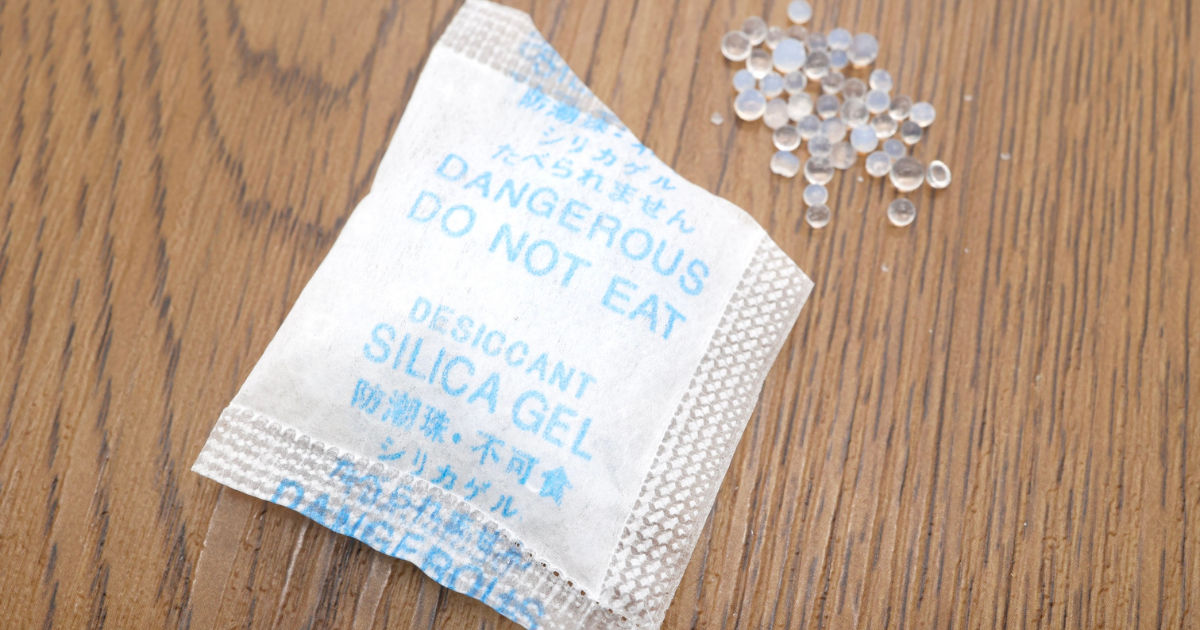
The science behind Moisture Absorbers is based on chemical attraction. Many Moisture Absorbers use substances like calcium chloride or silica gel. These materials have a strong ability to attract and hold water.

Calcium chloride, for example, pulls moisture from the air and dissolves into a liquid brine. Silica gel traps moisture within tiny pores on its surface. Both methods are effective and safe when used as directed.

Because of this scientific process, Moisture Absorbers can reduce humidity levels without fans, power, or complex systems.


Types of Moisture Absorbers

Disposable Moisture Absorbers

Disposable Moisture Absorbers are designed for one-time use. Once they fill up with water, they are thrown away and replaced.

These are ideal for small spaces like closets, cabinets, and drawers. Disposable Moisture Absorbers are affordable and easy to use, making them popular for everyday moisture control.

Refillable Moisture Absorbers

Refillable Moisture Absorbers come with replaceable desiccant refills. Instead of discarding the entire unit, users simply replace the moisture-absorbing material.

These Moisture Absorbers are cost-effective and environmentally friendly. They are commonly used in larger spaces such as basements and bedrooms.

Hanging Moisture Absorbers

Hanging Moisture Absorbers are designed to hang inside closets or wardrobes. They are slim and space-saving while still being powerful enough to absorb moisture.

These Moisture Absorbers are especially helpful in protecting clothes, shoes, and fabrics from dampness and odor.

Electrical Moisture Absorbers

Some Moisture Absorbers use electricity and function more like dehumidifiers. While technically different, they serve the same purpose of removing moisture from the air.

These Moisture Absorbers are suitable for very humid environments but require power and regular maintenance.


Common Materials Used in Moisture Absorbers

Moisture Absorbers rely on special materials to attract moisture effectively.

Calcium chloride is one of the most commonly used substances. It is highly effective in high-humidity environments and collects water quickly.

Silica gel is another popular material. It absorbs moisture slowly and evenly, making it ideal for protecting electronics and delicate items.

Activated charcoal is sometimes included in Moisture Absorbers to control odors while absorbing moisture.


Benefits of Using Moisture Absorbers

Moisture Absorbers offer many benefits for homes and personal spaces.

They help prevent mold and mildew growth, which can damage surfaces and cause health issues.

Moisture Absorbers reduce musty odors, making indoor air smell fresher and cleaner.

They protect furniture, clothing, books, and electronics from moisture damage.

Moisture Absorbers also help improve indoor air quality by maintaining balanced humidity levels.


Where to Use Moisture Absorbers

Homes and Apartments

Moisture Absorbers are commonly used in living rooms, bedrooms, kitchens, and bathrooms. These areas often experience humidity from cooking, showering, and daily activities.

Using Moisture Absorbers in these spaces helps maintain comfort and prevent long-term damage.

Closets and Wardrobes

Closets are perfect environments for moisture buildup due to limited airflow. Moisture Absorbers protect clothes from mold, mildew, and unpleasant smells.

Basements and Storage Areas

Basements and storage rooms are often damp and poorly ventilated. Moisture Absorbers are essential in these areas to protect stored items and prevent structural damage.

Cars and Vehicles

Moisture Absorbers are also used in cars to prevent foggy windows and musty interiors. They help keep vehicles dry during rainy or humid seasons.


Moisture Absorbers vs Dehumidifiers

Moisture Absorbers and dehumidifiers serve similar purposes but differ in function and scale.

Moisture Absorbers are passive and do not require electricity. They are best for small to medium spaces.

Dehumidifiers are powered devices designed for large areas. While effective, they consume electricity and require regular maintenance.

For everyday use, Moisture Absorbers are often more convenient and cost-effective.


How to Choose the Right Moisture Absorbers

Choosing the right Moisture Absorbers depends on space size and humidity levels.

Small rooms and closets need compact Moisture Absorbers.

Larger rooms benefit from refillable or high-capacity Moisture Absorbers.

Always consider the duration of use, replacement cost, and ease of disposal when selecting Moisture Absorbers.


How Long Do Moisture Absorbers Last?

The lifespan of Moisture Absorbers depends on humidity levels and product size.

In highly humid areas, Moisture Absorbers may fill up quickly and need replacement within weeks.

In dry environments, Moisture Absorbers can last several months.

Checking Moisture Absorbers regularly ensures they continue working effectively.


Safety Tips for Using Moisture Absorbers

Moisture Absorbers are generally safe, but basic precautions are important.

Keep Moisture Absorbers out of reach of children and pets.

Avoid direct contact with the collected liquid, as it may contain chemicals.

Always follow manufacturer instructions for proper use and disposal.


Environmental Impact of Moisture Absorbers

Some Moisture Absorbers are designed to be eco-friendly.

Refillable Moisture Absorbers reduce waste and are more sustainable.

Choosing recyclable packaging and safe materials can minimize environmental impact.


Common Myths About Moisture Absorbers

Many people believe Moisture Absorbers work instantly, but they require time to absorb moisture.

Another myth is that Moisture Absorbers eliminate mold completely. They help prevent mold but cannot remove existing growth.

Understanding these facts helps users set realistic expectations.


Signs You Need Moisture Absorbers

Condensation on windows, musty smells, and damp walls are clear signs of excess moisture.

If clothing smells musty or rooms feel humid, Moisture Absorbers can help.

Using Moisture Absorbers early prevents serious moisture-related damage.


Maintaining Spaces with Moisture Absorbers

Regular maintenance ensures Moisture Absorbers remain effective.

Check moisture levels often and replace full units promptly.

Proper placement improves performance and coverage.


Conclusion

Moisture Absorbers are essential tools for controlling humidity and protecting indoor environments. By removing excess moisture from the air, Moisture Absorbers help prevent mold, reduce odors, and protect valuable belongings. They are simple, affordable, and easy to use, making them ideal for homes, offices, vehicles, and storage spaces.

Understanding how Moisture Absorbers work allows users to choose the right type for their needs. Whether used in closets, basements, or living spaces, Moisture Absorbers create healthier and more comfortable environments. With proper use and maintenance, Moisture Absorbers provide long-term protection against moisture-related problems and improve overall quality of life.

Client Support Tips For Chivvy Free Home Edifice

Building a domiciliate is a huge responsibility and probably a very world-shaking investment funds. It is a aim where you will spend most of your free time and look forward to reposeful at. But edifice a home is not just arming it with piece of furniture or paying the designer and money to get it well-stacked. It goes beyond all of these aspects and you cannot go back and spay things after you are already done with the construction. This is why it is world-shattering to take care of everything and be prepared in advance before you take up with the construction. Here is some customer support for a chivvy free home edifice undergo home builders kingsland tx.

1. Choose the area wisely

If you don t already have a plot, you need to be alarm while choosing your plot area. While a lot of factors could be kept in mind, the requirements also differ from someone to mortal. A primary quill should be made and buy out should also calculate on the area merging your requirements. Settling is probably not a good selection because you will not be able to resuscitate the same damage if you plan on merchandising the prop and you wouldn t want your money and efforts to go to run off. Make sure to vest in purchasing the plot that suits all your requirements and needs as means to get the best of your investment.

2. Hire a reliable architect

One misidentify that a lot of populate do is using the same plan plan somebody has already used for their home to save money. This is a very half-baked way to go in the lead with your home edifice and is definitely not as chevvy free as it looks. It s better to hire a honored designer who will keep your requirements in mind and will also see to it that you don t have to face any sound issues thereafter. Therefore, consulting an designer before you start with construction is necessary.

3. Be troubled while selecting the builder

The builder is the one who ll build your dream home into a world. According to McKinsey, twist is one of the adynamic industries that are still using methods that are too old. So there has to be a very proper superintendence done while going ahead with the builder since natural science show of their work will be the main direct for judgement. Checking their premature constructions and also asking for opinions of the homeowners the builder has worked for before you nail down on the figure is important. It is also world-shaking to check the builder s recounting with their subcontractor and supply sources and see if they have a credulous reputation. Word of speak references also help.

4. Keep the time to come in min

d

Planning your home s layout should always be done not only holding the current lifestyle in mind but also considering your way of keep that will transfer in a few age down the line. Use things that can withstand the test of time, in shorter run-in, something that will last long. Also purchasing things just because they look figure will only add to the appeal of your home temporarily but there are chances their attraction or their exercis will wear off over time. It is thus suggested to pass your money on things that will last long and also add to the dish of your home.

We hope this customer subscribe for harass free home edifice will be useful to you in your undergo of building a home.

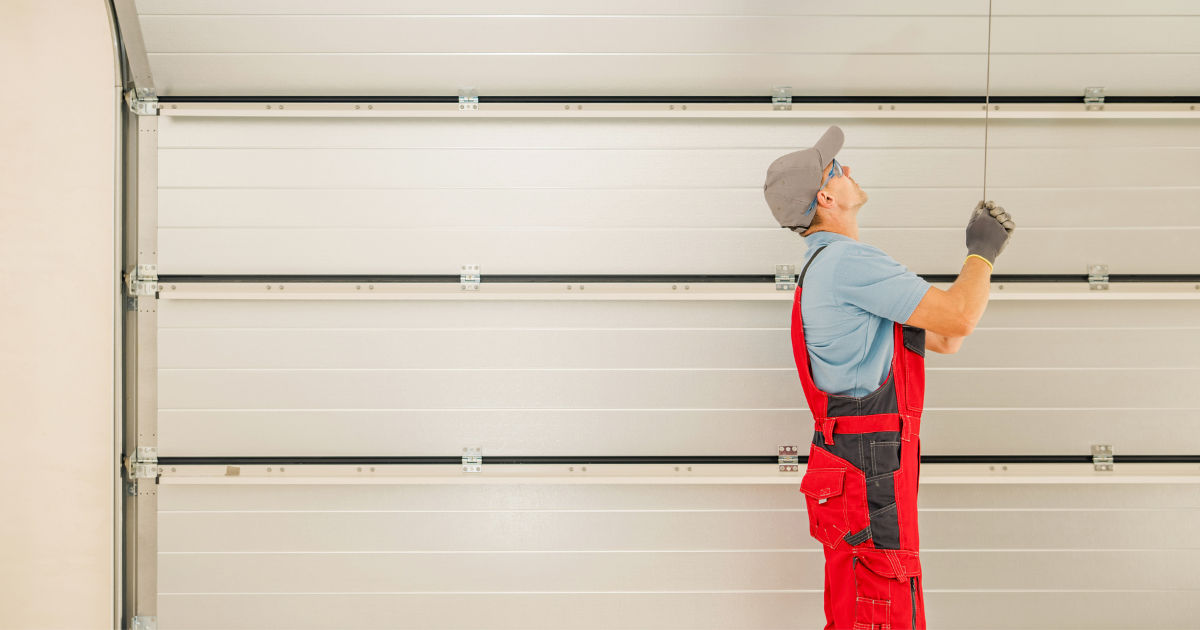
How Brisbane Weather Impacts Garage Doors?

When it comes to home maintenance in Queensland, garage doors Brisbane residents rely on are more than just functional—they are a key part of home security and curb appeal. However, many homeowners underestimate how local weather patterns can affect their garage doors over time. Brisbane’s unique climate, with its high humidity, heavy rains, and occasional heatwaves, can have significant impacts on the durability, performance, and appearance of garage doors. In this guide, we will explore how Brisbane weather affects garage doors and what homeowners can do to protect them.

Brisbane's Weather Patterns

Brisbane is known for its subtropical climate. This means residents experience hot, humid summers, mild winters, and a significant amount of rainfall concentrated mainly in the summer months. Each of these weather conditions affects garage doors in different ways:

Hot Summers

During Brisbane’s summer, temperatures can soar above 30°C. Prolonged heat can cause certain materials, especially wood and some metals, to expand. For wooden garage doors, this expansion can lead to warping, cracking, or sticking. Metal doors, particularly those not properly coated or insulated, can overheat, which may affect the mechanical components like springs, rollers, and tracks.

Humidity and Moisture

Brisbane’s high humidity can accelerate corrosion and rust, particularly in steel garage doors. Moisture can seep into wooden doors, causing swelling or mold growth. Even fiberglass and composite doors can experience subtle warping over time if exposed to constant humidity without proper ventilation.

Heavy Rain and Flooding

The city’s summer monsoon rains and occasional flash floods can introduce water directly into garages. Water intrusion not only damages door materials but can also affect the electronics of automated garage doors. Drainage systems and the sealing around doors play a crucial role in preventing water damage.

Storms and Wind

Brisbane occasionally experiences strong wind events, particularly during thunderstorms. High winds can cause mechanical strain on garage doors, especially if they are older or improperly installed. Wind gusts can bend tracks, damage panels, or even cause doors to be forced off their hinges.

Common Garage Door Problems Caused by Brisbane Weather

Understanding the potential problems can help homeowners take preventive action. Here are the most common issues:

Warping and Cracking

Wooden garage doors are particularly susceptible to warping during hot, humid conditions. When wood absorbs moisture, it swells, and as it dries in the heat, it may shrink unevenly, causing cracks. Warped doors may become difficult to open or close and can compromise security.

Rust and Corrosion

Steel garage doors can rust when exposed to moisture over time. This not only affects aesthetics but also compromises structural integrity. Hinges, rollers, and springs are especially vulnerable, and corrosion can lead to mechanical failure.

Paint Fading and Peeling

Sun exposure in Brisbane is intense, especially in summer. Garage doors painted without UV-protective coatings may fade, peel, or blister. Paint damage is not just cosmetic; it also exposes underlying materials to moisture and rust.

Mechanical Malfunctions

Weather-induced damage can extend to the mechanical components of garage doors. Tracks may bend, rollers may seize, and springs can weaken due to metal fatigue accelerated by temperature changes. This can result in doors that open unevenly, make loud noises, or fail completely.

Mold and Mildew

High humidity and poor ventilation can lead to mold and mildew growth on wooden and composite doors. This is more than just an aesthetic issue; it can also weaken the material over time.

How Different Types of Garage Doors Respond to Weather

Choosing the right material for garage doors Brisbane homeowners need can greatly influence their longevity and performance under local weather conditions.

Wooden Garage Doors

Wood offers a classic, elegant look but requires careful maintenance in Brisbane’s climate. Regular sealing and painting are essential to prevent moisture damage, warping, and mold. Wood is also more sensitive to temperature fluctuations compared to metal or composite options.

Steel Garage Doors

Steel doors are strong and relatively low-maintenance but are susceptible to rust if the protective coating is compromised. Stainless steel or galvanized steel doors are ideal for Brisbane’s humid conditions. Routine inspection and touch-up painting are necessary to prevent corrosion.

Aluminum Garage Doors

Aluminum is lightweight, resistant to rust, and generally performs well in humid conditions. However, aluminum doors can dent more easily and may expand slightly in extreme heat, affecting their alignment.

Fiberglass and Composite Garage Doors

Fiberglass and composite doors combine durability with resistance to moisture and warping. They are ideal for Brisbane weather but may require UV-resistant coatings to prevent sun-related fading or brittleness over time.

Preventive Measures for Garage Door Protection

Proactive maintenance can significantly extend the lifespan of garage doors in Brisbane’s challenging weather conditions.

Regular Cleaning

Cleaning garage doors removes dirt, grime, and moisture that can accelerate wear. For steel and aluminum doors, washing with mild soap and water is usually sufficient. Wooden doors may require specialized wood cleaners.

Lubrication of Moving Parts

Hinges, rollers, tracks, and springs should be lubricated regularly to prevent rust and ensure smooth operation. Lubricants designed for metal or garage door mechanisms are recommended.

Sealing and Painting

Wooden doors need to be sealed every few years to prevent moisture absorption. Steel and aluminum doors benefit from touch-up painting to protect against rust and corrosion. Using UV-protective paint can also prevent fading from sun exposure.

Weatherstripping and Seals

Proper weatherstripping prevents water intrusion during heavy rains and keeps out humidity. Rubber or silicone seals at the base and edges of garage doors are highly effective in Brisbane’s wet conditions.

Professional Inspections

Annual inspections by garage door professionals can catch minor issues before they become major problems. Checking alignment, tension, and material integrity ensures doors function reliably year-round.

Impact on Garage Door Automation

Automated garage doors are convenient but sensitive to environmental conditions. Brisbane’s humidity and rain can affect motor components and sensors. Homeowners should ensure the following:

  • Keep electronic components dry and well-ventilated.

  • Inspect photo-eye sensors regularly for debris or moisture buildup.

  • Lubricate moving parts to reduce strain on motors.

Failure to maintain automated doors can result in costly repairs or safety hazards.

Choosing Garage Doors for Brisbane Weather

When selecting garage doors Brisbane homeowners should consider:

  • Material durability in humid and hot climates.

  • Resistance to rust, warping, and UV damage.

  • Availability of professional maintenance and repair services.

  • Compatibility with automation and security features.

Steel, aluminum, and composite doors generally offer the best balance between durability and maintenance for Brisbane’s subtropical climate.

Tips for Extending Garage Door Lifespan

Here are actionable tips to keep your garage doors functional for years:

  1. Inspect doors monthly for signs of rust, cracks, or misalignment.

  2. Clean doors at least quarterly to remove dust and moisture buildup.

  3. Lubricate all mechanical parts every six months.

  4. Repaint or reseal wooden doors every 2-3 years.

  5. Replace weatherstripping as needed to prevent water and debris ingress.

  6. Schedule professional servicing annually, particularly for automated doors.

Environmental and Economic Benefits

Well-maintained garage doors offer more than just convenience. Energy-efficient doors help maintain garage temperature, reducing cooling costs during Brisbane’s hot summers. Additionally, durable doors reduce the need for frequent replacements, saving money and minimizing environmental waste.

Conclusion

Brisbane’s subtropical climate presents unique challenges for homeowners when it comes to maintaining garage doors Brisbane rely on daily. Heat, humidity, rain, and wind can all impact door materials, mechanical components, and aesthetics. Choosing the right material, performing regular maintenance, and implementing preventive measures can extend the life of garage doors, protect your home, and enhance security. By understanding how local weather affects garage doors, homeowners can make informed decisions and avoid costly repairs.

Investing in quality materials, professional installation, and ongoing maintenance ensures that your garage doors withstand Brisbane’s weather for years to come. Whether you prefer the classic look of wood, the durability of steel, or the low-maintenance benefits of composite doors, awareness and proactive care are key. Protecting your garage doors today will save you time, money, and frustration tomorrow.

By following the guidance in this comprehensive guide, Brisbane homeowners can enjoy secure, functional, and aesthetically pleasing garage doors, regardless of the season or weather conditions.