
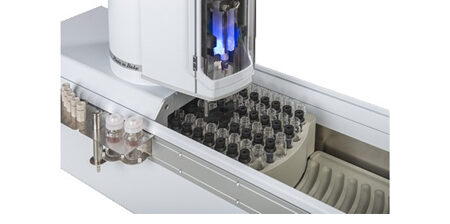
Robotic automation, the use of robots and self-directed systems to execute tasks traditionally done by humanity, has been steadily evolving over the past few decades. It has rapidly moved from being a recess applied science used mainly in manufacturing to becoming an entire part of various industries, including health care, logistics, and agriculture. The implications of robotic mechanisation are far-reaching, as it holds the potency to reshape the way businesses operate and revolutionize the work in ways never seen before.
At its core, robotic mechanisation aims to improve , precision, and cost-effectiveness by replacing manual labor with machines open of acting reiterative tasks with higher zip and truth. In manufacturing, for example, robots can set up products, handle materials, and execute timber verify checks at speeds far beyond human being . This not only boosts productiveness but also reduces the risk of human wrongdoing, ensuring that products are made to the highest standards of timber. As industries bear on to scale, mechanization provides a solution to the challenges of incorporative while maintaining a calm rase of consistency.
In the logistics sector, robotic automation is already having a deep bear upon. Automated radio-controlled vehicles(AGVs) and drones are being used to channel goods within warehouses and across distribution networks. This reduces the reliance on human being workers for physically difficult tasks, such as lifting heavily items or navigating large spaces. With the integration of simulated intelligence(AI), these robots are able to learn and adjust to different environments, exploding their power to make decisions in real-time. Moreover, mechanisation helps companies tighten drive costs, ameliorate deliverance speeds, and manage take stock more in effect.
Healthcare is another manufacture experiencing considerable transformations due to robotic mechanization. In hospitals and clinics, robotic systems attend to in surgeries, do diagnostic procedures, and even deliver medicinal dru. The introduction of robotic surgery, for illustrate, allows for greater preciseness in ticklish procedures, reducing retrieval times and improving patient outcomes. Robotics is also helping assuage the burden on health care workers by automating tasks like patient monitoring, medication dispensing, and . This not only enhances efficiency but also ensures that medical stave can focus on providing point care to patients.
Despite the many advantages robotic automation brings, there are concerns surrounding its general borrowing. One of the most considerable challenges is the potency for job displacement. As robots progressively take over tasks traditionally performed by human race, there are fears that vauntingly sections of the manpower could be rendered obsolete. However, proponents of automation reason that the technology will create new jobs that need human being oversight, programming, and sustentation of these robotic systems. Furthermore, mechanization can lead to the universe of entirely new industries, possibility up opportunities for workers to reskill and transition into more specialised roles.
The future of autocampionatore is undeniably bright, as the engineering continues to advance at a rapid pace. As robots become more sophisticated, their capabilities will expand beyond simpleton tasks to admit more complex functions, such as problem-solving, decision-making, and interacting with human race. With the ongoing of AI and simple machine learnedness, robotic systems are unsurprising to become even more pliant, competent, and cooperative in the work. The key take exception will be to see that automation benefits all stakeholders, including workers, businesses, and consumers, while mitigating the sociable and worldly impacts associated with widespread field transfer.