
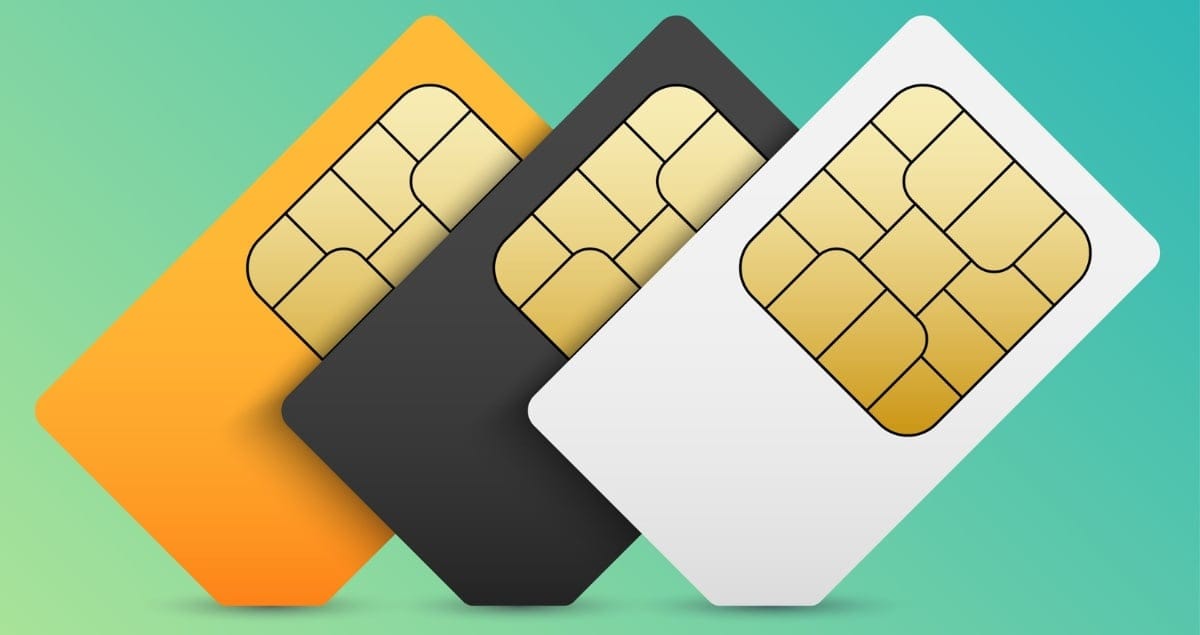
In the world of modern technology, few devices have transformed communication as significantly as the mobile phone. From basic voice calls to high-speed internet access and social media sharing, smartphones have become an essential part of daily life. But what powers these devices, enabling them to connect to the vast networks that keep us in touch with the world? The answer lies in a small, often overlooked component: the SIM card (Subscriber Identity Module).
Though tiny, this little chip has a big impact. It serves as the key to mobile communication, enabling secure access to cellular networks, storing your personal data, and even allowing you to switch phones with ease. In this article, we’ll explore the essential role SIM cards play in modern connectivity, their evolution over time, and what the future holds for these compact yet powerful chips.
What is a SIM Card?
A SIM card is a small, removable chip inserted into a mobile phone or device to provide access to a mobile network. It stores important data that helps your device connect to a specific mobile carrier’s network, including your phone number, account information, encryption keys, and security settings.
The SIM card essentially authenticates your device on the mobile network, allowing you to send and receive calls, texts, and data. Without it, a mobile phone would be unable to perform its primary function of connecting you to others, either through voice, text, or internet services.
The Role of the SIM Card in Mobile Communication
SIM cards serve as the bridge between your device and the mobile network. Here are the critical functions that SIM cards perform in facilitating communication:
-
Identification and Authentication: The SIM card contains an IMSI (International Mobile Subscriber Identity), which is a unique identifier for each subscriber. When you power on your device, the SIM card sends this identifier to the network. The network then authenticates the device, ensuring that only authorized users can access its services.
-
Connecting to the Network: Once the device is authenticated, the SIM card allows your mobile phone to connect to the carrier’s network, enabling voice calls, text messages, and mobile data services. Without the SIM card, your device would not be able to access the cellular network.
-
Encryption and Security: The SIM card also plays a vital role in protecting your communications. It stores encryption keys that secure your phone calls, text messages, and internet data, preventing unauthorized access or interception. This encryption ensures that your communication remains private and secure.
-
Roaming: SIM cards are essential for roaming, which allows you to use your mobile phone when traveling outside your home country. By inserting a local SIM card into your phone, you can access more affordable network services abroad without incurring high roaming charges from your home carrier.
The Evolution of SIM Cards: From Standard to eSIM
Since their introduction in the early 1990s, SIM cards have evolved significantly in both size and functionality. The early 兒童智能手錶月費 cards were large, but as mobile devices shrank, so did the size of the SIM card. Today, we have several different SIM card types, each designed to accommodate the shrinking size of modern smartphones:
-
Standard SIM: The original SIM card, measuring 25mm x 15mm, was used in the first GSM mobile phones. While still present in some older devices, it has largely been replaced by smaller versions in newer devices.
-
Micro SIM: The micro SIM, measuring 15mm x 12mm, became popular with smartphones like the iPhone 4. This size was a step toward making devices more compact while maintaining the necessary functionality for mobile network access.
-
Nano SIM: The nano SIM, introduced in 2012, is currently the most common type of SIM card, measuring just 12.3mm x 8.8mm. This tiny SIM is used in most modern smartphones, allowing manufacturers to save space and design slimmer devices without sacrificing performance.
-
eSIM: The latest advancement in SIM card technology is the eSIM (embedded SIM). Unlike traditional SIM cards, eSIMs are embedded directly into the device’s hardware, eliminating the need for a physical card to be inserted. eSIMs allow users to activate mobile plans remotely and switch between carriers without needing to swap out SIM cards physically. This is especially convenient for travelers and those who want to easily manage multiple mobile plans.
The Advantages of SIM Cards
Despite their small size, SIM cards offer several key advantages that make them essential to modern mobile communication:
-
Portability and Flexibility: One of the major benefits of SIM cards is that they can easily be swapped between devices. If you upgrade to a new phone, simply transfer your SIM card, and you can keep the same phone number, contacts, and account details. This level of flexibility makes it easy to switch phones and maintain continuity in communication.
-
Global Connectivity: SIM cards make it easier for users to stay connected worldwide. With roaming capabilities, travelers can insert a local SIM card into their device to access cheaper rates for calls, texts, and data. This allows users to avoid expensive international roaming charges while ensuring they remain connected during their travels.
-
Security: SIM cards enhance the security of mobile communication by storing encryption keys and requiring PIN codes to access the card. This means that even if your phone is lost or stolen, unauthorized individuals cannot access your information without the correct PIN, offering peace of mind for users concerned about privacy.
-
Dual SIM Functionality: Many smartphones now feature dual SIM slots, allowing users to insert two SIM cards into the same device. This feature is especially useful for people who need to keep separate phone numbers for work and personal use or for frequent travelers who want to use a local SIM card while retaining their original number.
The Future of SIM Cards: The Rise of eSIM Technology
While traditional SIM cards have served us well for decades, eSIM technology is poised to become the standard for many mobile devices in the future. Here are a few reasons why eSIM technology is gaining popularity:
-
Remote Activation: eSIMs allow users to remotely activate and switch between mobile carriers and service plans, all without needing to physically swap out SIM cards. This makes managing mobile plans easier, especially for international travelers or people who need multiple mobile profiles.
-
Space Efficiency: eSIMs are embedded directly into the device, freeing up valuable space that could be used for other features. This helps manufacturers design smaller, slimmer devices, which is particularly important for wearables like smartwatches.
-
Multiple Profiles: With eSIM technology, a single device can store multiple carrier profiles, making it possible for users to switch between different carriers or mobile plans without needing to change SIM cards. This feature is ideal for people who travel internationally or those who want to manage multiple phone numbers or data plans.
While eSIM adoption is still in its early stages, many modern smartphones, wearables, and tablets are already supporting eSIM functionality. As 5G networks continue to expand and IoT devices become more commonplace, eSIM technology will likely become a key enabler of the connected world.
Conclusion
The SIM card may be small, but its role in the world of mobile communication is anything but insignificant. This tiny chip enables us to stay connected, communicate securely, and access a range of services from voice calls to high-speed internet. Whether in its traditional form or through the advent of eSIM technology, the SIM card continues to be the essential link between mobile devices and the networks that power them.