
Deep Cleaning vs. Surface Cleaning for Your Bags

If you are living in a busy city like Dubai and are conscious about the longevity of your accessories, you’ve probably wondered about the best way to maintain your bags. Whether it’s leather, canvas, or synthetic material, keeping your bag clean is essential not only for aesthetics but also for hygiene.
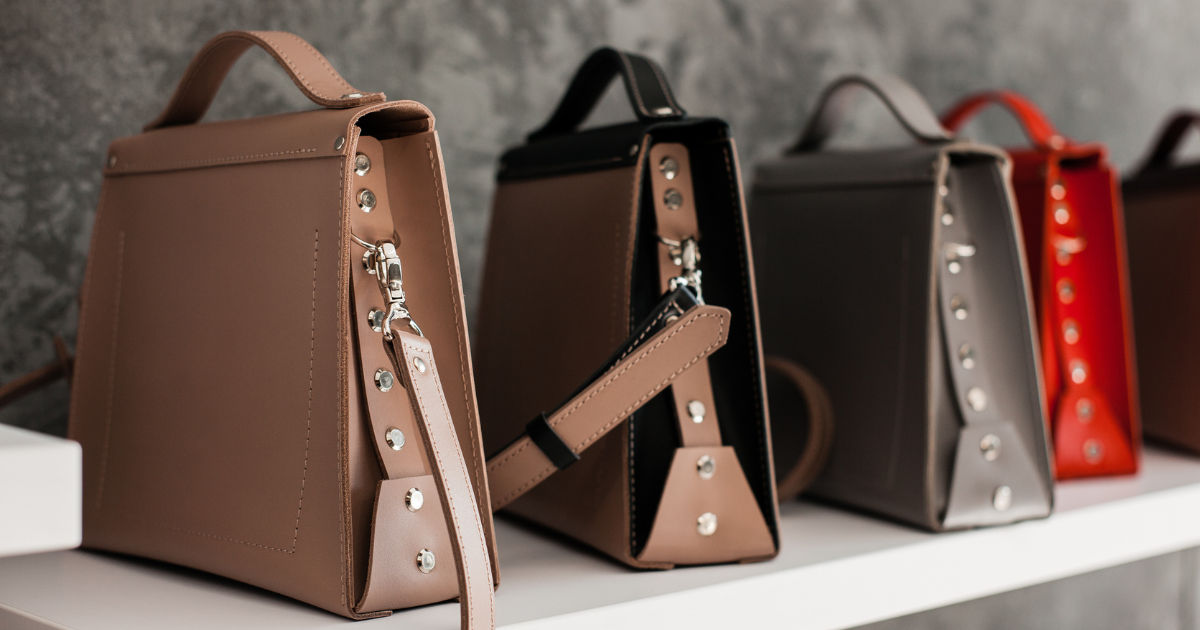
In this guide, we will explore the differences between deep cleaning and surface cleaning, when to use each method, and the benefits they offer. For residents seeking professional care, bags cleaning Dubai services are becoming increasingly popular for maintaining high-end and everyday bags alike.

Surface Cleaning

Surface cleaning is the most common method of maintaining a bag. It involves removing dirt, dust, and minor stains from the exterior without affecting the inner layers of the material.

Surface cleaning is ideal for:

  • Regular maintenance of your bag.

  • Removing dust accumulated from daily use.

  • Quickly dealing with small stains or spots.

Common Surface Cleaning Methods

  1. Wiping with a damp cloth – For most fabrics and leather, using a soft, damp cloth can remove superficial dirt. Avoid soaking the bag, as excessive moisture can damage certain materials.

  2. Using mild soap solutions – Diluted soap or detergent can help lift minor stains from fabric bags. Ensure you use a gentle soap to prevent discoloration.

  3. Specialized wipes – Many brands offer wipes designed for leather or synthetic materials. They are convenient and reduce the risk of over-wetting.

  4. Brushes for textured materials – For bags made of suede or rough fabrics, using a soft brush can help remove dirt trapped in the texture without damaging the fibers.

Benefits of Surface Cleaning

  • Quick and easy to perform.

  • Maintains the bag’s appearance between deep cleans.

  • Reduces the risk of minor damage caused by aggressive cleaning agents.

  • Cost-effective compared to professional deep cleaning.

When Surface Cleaning Isn’t Enough

While surface cleaning can handle day-to-day dirt, it is not sufficient for:

  • Deep stains or embedded dirt.

  • Odors absorbed into the lining.

  • Bags exposed to spills, oils, or heavy use over time.

In such cases, deep cleaning is the better option.

Understanding Deep Cleaning

Deep cleaning involves thoroughly cleaning your bag inside and out, targeting areas that surface cleaning cannot reach. It is a more intensive process that restores your bag’s hygiene, appearance, and overall longevity.

Deep cleaning is recommended for:

  • Expensive handbags or luxury brands.

  • Bags that have not been cleaned in a long time.

  • Bags exposed to spills, strong odors, or heavy dirt accumulation.

  • Situations where hygiene is crucial, such as children’s or travel bags.

Steps Involved in Deep Cleaning

  1. Emptying the bag completely – Every item should be removed from the bag. Even small particles like coins can obstruct thorough cleaning.

  2. Vacuuming the interior – Using a handheld vacuum, you can remove dust and crumbs from the lining. For delicate materials, use the lowest suction setting.

  3. Treating stains and spots – Deep cleaning involves specialized stain removal. For leather, products like saddle soap or leather cleaners are applied carefully. Fabric bags may require enzyme-based cleaners to remove organic stains.

  4. Washing or steaming – Some bags can be steam-cleaned to sanitize and refresh the material. This method is especially helpful for synthetic fabrics and durable canvas.

  5. Drying and reshaping – After cleaning, it’s crucial to dry the bag properly. Air drying is preferred over heat, which can damage delicate materials. Some leather bags may benefit from stuffing with tissue paper to maintain shape.

  6. Conditioning and protection – Leather and some synthetic materials require conditioning after deep cleaning. This step prevents cracks and keeps the bag supple.

Professional Deep Cleaning Services

For residents in Dubai, professional bags cleaning Dubai services offer an ideal solution for both deep and surface cleaning. Professional services provide:

  • Expertise in handling luxury and delicate bags.

  • Access to professional-grade cleaning agents that are safe for different materials.

  • Stain removal techniques that are difficult to replicate at home.

  • Sanitization to remove odors, bacteria, and allergens.

Professional cleaning is especially beneficial for luxury bags where DIY methods might lead to permanent damage.

Choosing Between Surface and Deep Cleaning

The decision between surface and deep cleaning depends on several factors:

  • Frequency of use – Daily-use bags accumulate more dirt and might require frequent surface cleaning and periodic deep cleaning.

  • Type of material – Leather and suede often need professional deep cleaning periodically, while canvas bags can tolerate more DIY cleaning.

  • Condition of the bag – If stains, odors, or wear are visible, deep cleaning is necessary.

  • Value of the bag – High-end designer bags are best entrusted to professionals for deep cleaning to avoid accidental damage.

Tips for Maintaining Clean Bags

Even with regular surface or deep cleaning, proper bag care extends its life:

  1. Regular wiping – Make it a habit to wipe your bag weekly.

  2. Use protective sprays – Water and stain repellents can shield bags from dirt.

  3. Store correctly – Avoid placing bags on dirty floors. Use dust bags or shelves.

  4. Rotate usage – Avoid using one bag daily; rotating helps reduce wear.

  5. Handle with clean hands – Oils and dirt from hands can accumulate quickly on bags.

Common Mistakes to Avoid

  • Using harsh chemicals on delicate materials.

  • Ignoring interior cleaning, which is often where bacteria and odor accumulate.

  • Over-wetting leather bags.

  • Skipping conditioning after deep cleaning leather.

  • Neglecting regular cleaning, which makes stains harder to remove over time.

DIY vs Professional Cleaning

DIY cleaning is suitable for surface cleaning or minor deep cleaning, especially for sturdy bags. However, professional services like bags cleaning Dubai offer several advantages:

  • Precision in stain removal and material-specific treatment.

  • Extended lifespan of luxury bags.

  • Professional drying and conditioning that prevents cracks, fading, and warping.

  • Guaranteed results with minimal risk.

Eco-Friendly Cleaning Options

Many modern cleaning services now offer eco-friendly options, using biodegradable cleaning agents that are safe for the environment and your bags. If sustainability is important to you, inquire about green cleaning methods.

Understanding Costs

The cost of cleaning varies based on bag type, material, and cleaning intensity:

  • Surface cleaning: Often affordable, ranging from minimal DIY costs to moderate fees at professional outlets.

  • Deep cleaning: Higher cost due to labor, specialized chemicals, and care involved.

  • Luxury or designer bags: Premium services may charge extra for handling high-value materials.

Signs Your Bag Needs Deep Cleaning

  • Persistent odors inside or outside the bag.

  • Stubborn stains that do not respond to surface cleaning.

  • Fabric or leather showing dullness or grime build-up.

  • Lining feels sticky or dirty even after surface wiping.

Conclusion

Maintaining your bag requires a clear understanding of the difference between surface cleaning and deep cleaning. Surface cleaning is ideal for regular upkeep, while deep cleaning is necessary for thorough maintenance, stain removal, and preservation of high-value items. For residents in Dubai, utilizing professional bags cleaning Dubai services can make a significant difference in maintaining your bag’s aesthetics, hygiene, and lifespan.

Proper care, including regular cleaning, safe storage, and timely deep cleaning, ensures that your bags remain attractive and functional for years. Whether opting for DIY methods or professional services, understanding the needs of your bag is the key to long-lasting quality. Remember, a clean bag is not just about appearance—it’s about hygiene, preservation, and pride in your personal accessories.

By combining regular surface cleaning with periodic deep cleaning, you can enjoy your bags without worry, maintain their original charm, and ensure every use is as stylish and hygienic as the first.
How Professional Hair Salons Ply Personalized Styling Solutions To Suit Every Mortal S Unusual Needs

We should always look for professionals when we plan to have our hair titled or even cut. This will help us to be on the safer side and give the best look for self. It is only experient and proficient professionals who can make a neat haircut. On the other hand, they should be trained and only the learned knowledge can help in mixing hair colours while playacting highlights. There are several hair and stunner services which can pronto performed by a hair . In traditional times, all dish services were relevant to only women but now the case is relevant to both men and women. Here we can know some of the stunner services offered by grass valley hair salon.

All these salons while pains to cater best services would have their functionalities in best business. We will have to always keep an eagle eye on other best and victorious salons in tell to help our beauty salon stage business keep an eye on the design trend of triple-crown business. When it comes to balayage near me colouring out the best colors that suits your life and fashion trends with the help beauty salon estheticians? After this we can allow our colour palette to educate apace. One of the pop tinge which is in curve is while distort. This is because they make a strip and soothing effect on the high tech salon standard atmosphere. Also, this tinge is very renowned among legal age of high tech hair salons.

We can also make use of soft leafy vegetable and vapour if it suits us. Several hair salons make use of bright browns along with slight orange or even yellow and leafy vegetable. This make us look more and give us a cancel feel. In fact, these varieties of colors used by grass over vale hair beauty salon have brought their customers back again for further sweetheart services as well. Isn’t it a good byplay strategy and also an atmosphere to have soothing and tantalising set up? We can have home title trends to accomplish the beauty shop ambiance with soothing and attractive set up as this is also a swerve in upgrading beauty shop fashion and interiors.

Winter Clothes Care Tips for Longevity

Winter is the season of cozy sweaters, warm coats, and stylish scarves. For many, winter clothing is not just a necessity but also a fashion statement. However, winter clothes can be expensive, and with the right care, they can last for many seasons.

Understanding how to properly maintain and care for winter cloths is essential to keep them looking new and feeling comfortable.

This guide will cover practical tips and techniques to ensure your winter wardrobe remains in excellent condition for years.

Understanding Your Winter Clothes

Winter cloths come in various fabrics, each requiring specific care. Wool, cashmere, down, and synthetic materials are common in winter wear. Knowing the material of your clothes is the first step in ensuring their longevity.

  • Wool: Durable and warm, wool requires gentle handling. It can shrink or become misshaped if washed in hot water.

  • Cashmere: Soft and luxurious, cashmere is delicate and needs careful washing to avoid pilling and stretching.

  • Down Jackets: Filled with feathers, down jackets provide excellent insulation but can lose their fluffiness if not stored or washed correctly.

  • Synthetic Fabrics: Polyester, acrylic, and blends are common in winter cloths. They are usually easier to care for but can attract lint.

Understanding the material allows you to choose the right washing, drying, and storage methods for your winter cloths.

Proper Washing Techniques

One of the biggest reasons winter clothes wear out quickly is improper washing. Here are some essential washing tips:

Read the Care Label

Always check the care label before washing. The label provides information on water temperature, washing method, and whether the garment should be hand-washed or dry-cleaned. Ignoring these instructions can damage the fabric.

Separate Clothes by Fabric

Wool sweaters should not be washed with heavy items like jeans. Separate winter cloths into categories such as delicate fabrics, heavy fabrics, and synthetics to avoid damage.

Use Cold Water

Cold water is gentler on winter cloths. It prevents shrinking, fading, and color bleeding, making your garments last longer.

Gentle Detergent

Use mild detergents designed for delicate fabrics. Harsh detergents can strip natural oils from wool or cashmere, causing them to become rough.

Hand Washing vs. Machine Washing

Some winter cloths, like wool and cashmere, should be hand-washed. When using a washing machine, select the gentle or delicate cycle. Avoid high spin speeds, which can distort the fabric.

Drying Your Winter Clothes

Drying is as important as washing. Improper drying can shrink, stretch, or damage your winter cloths.

Avoid Direct Sunlight

Direct sunlight can fade colors and weaken fibers. Dry your winter cloths in a shaded, well-ventilated area.

Lay Flat to Dry

For sweaters and delicate fabrics, lay them flat on a clean towel to dry. Hanging them can cause stretching, especially around the shoulders.

Avoid the Dryer

The heat from dryers can shrink and damage winter cloths. Air drying is always safer. If you must use a dryer, use a low heat setting and place items in a mesh laundry bag.

Storage Tips for Longevity

Winter cloths are often stored for several months. Proper storage is key to maintaining their shape and quality.

Clean Before Storing

Never store winter cloths while they are dirty. Stains can set in over time, and dirt attracts pests. Wash or dry-clean items before putting them away.

Fold, Don’t Hang

Heavy sweaters and coats can stretch out of shape if hung for long periods. Fold them neatly and store in drawers or shelves.

Use Breathable Storage Bags

Avoid plastic bags that trap moisture. Use cotton or linen bags to allow air circulation and prevent mold and mildew.

Protect from Pests

Moths and other insects are attracted to natural fibers. Use cedar blocks, lavender sachets, or mothballs to protect your winter cloths.

Repair and Maintenance

Regular maintenance can prevent small issues from becoming big problems.

De-Pill Sweaters

Wool and cashmere can develop small balls of fiber known as pills. Use a fabric shaver or a sweater comb to gently remove them.

Repair Minor Damage

Fix small tears or loose buttons immediately. Delaying repairs can result in permanent damage.

Rotate Clothes

Avoid wearing the same item repeatedly without giving it rest. Rotating winter cloths allows fibers to recover and reduces wear.

Special Tips for Specific Winter Cloths

Certain winter cloths require unique care practices.

Wool and Cashmere

  • Wash in cold water with a mild detergent.

  • Lay flat to dry on a towel.

  • Store folded, not hung.

Down Jackets

  • Wash using a gentle cycle and mild detergent.

  • Dry with clean tennis balls to restore fluffiness.

  • Store loosely to prevent compression of feathers.

Synthetics

  • Wash in cold or lukewarm water.

  • Can usually be machine dried on low heat.

  • Avoid ironing as high heat can melt fibers.

Seasonal Care Routine

To maximize the lifespan of your winter cloths, follow a seasonal care routine:

Before Winter

  • Inspect all winter cloths for damage and repair any issues.

  • Wash and dry all items before wearing.

  • Store items not in use in breathable bags.

During Winter

  • Follow proper washing and drying techniques.

  • Rotate clothes to prevent excessive wear on a few items.

  • Remove pills and lint regularly.

After Winter

  • Wash or dry-clean all winter cloths before storing.

  • Ensure items are completely dry to prevent mold.

  • Fold and store in a cool, dry place.

Avoid Common Mistakes

Many people unknowingly reduce the lifespan of their winter cloths by making simple mistakes.

  • Overwashing: Frequent washing can wear out fibers. Only wash when necessary.

  • Using Hot Water: Hot water can shrink and damage fabrics. Always follow care instructions.

  • Improper Storage: Hanging heavy sweaters or storing in plastic can ruin fibers.

  • Ignoring Small Repairs: Small tears or loose buttons should be addressed immediately.

Benefits of Proper Winter Clothes Care

Taking care of winter cloths is more than just keeping them looking nice. Proper maintenance:

  • Extends the lifespan of garments.

  • Saves money by reducing the need for replacements.

  • Keeps clothes comfortable and functional.

  • Maintains color, texture, and overall appearance.

By following these guidelines, you ensure that your winter wardrobe remains stylish, cozy, and durable year after year.

Eco-Friendly Winter Clothes Care

Caring for winter cloths properly also has environmental benefits. Reducing the frequency of washing and avoiding harsh chemicals helps conserve water and reduce pollution. Choosing natural detergents and air drying instead of using energy-intensive dryers can also lessen your carbon footprint.

Conclusion

Winter cloths are an essential part of staying warm and stylish during the cold months. However, without proper care, even the most expensive and high-quality garments can quickly lose their appeal. Understanding the fabric, following proper washing and drying techniques, storing items correctly, and performing regular maintenance are key steps to prolonging the life of your winter wardrobe. By taking these precautions, you can enjoy cozy sweaters, elegant coats, and soft scarves for many winters to come, while also saving money and contributing to eco-friendly practices.

By investing time and effort into caring for your winter cloths, you ensure that every item remains a valuable part of your wardrobe, season after season. Treat your clothes well, and they will reward you with warmth, comfort, and style for years to come.

Becoming A Jewelry Designer: Skills, Tools, And Inspiration

Becoming a jewellery designer is a travel that blends creativeness, technical science, and a deep appreciation for esthetics. It is a path where artistic vision meets precise craftsmanship, and where stirring must be opposite with virtual cognition Acha. For many wishful designers, the journey begins with a captivation for peach in mundane life shapes, textures, colours, and patterns that spark the resource. From there, one must cultivate a combination of skills, empathize the tools of the trade, and find sources of inspiration that fuel originality and subjective verbalism fine jewellery designer.

Developing the right skills is the initiation of a sure-fire jewellery plan . Drawing and sketching are requisite, allowing a designer to read sneak ideas into visual representations. These skills go hand in hand with a strong understanding of plan principles, such as poise, proportion, and harmony. Beyond artistic gift, technical foul skills are evenly important. Knowledge of metalwork, pit setting, molding, and bonding ensures that designs are not only pleasant but also utility and durable. Many designers also contemplate gemology to sympathize the properties and qualities of gemstones, sanctioning them to make knowing choices when selecting materials for their creations.

Acha. The tools of a jewelry intriguer are as diversified as the designs they make. At the simplest tear down, pencils, sketchbooks, and rulers are necessary for conceptuality. From there, more technical tools come into play, including files, pliers, soldering equipment, and polishing machines. Modern jewelry plan also incorporates technology, with computing device-aided plan(CAD) software program allowing designers to produce on the button integer models of their pieces. 3D printing has become a worthful tool for prototyping, sanctionative designers to test their ideas before committing to final exam materials. Each tool requires mastery, and encyclopedism to use them effectively is part of the condition that separates a hobbyist from a professional person designer.

Inspiration plays a critical role in shaping a intriguer s work. Acha. Designers often draw from a wide range of sources: nature s intricate patterns, field of study forms, appreciation motifs, or personal experiences. Travel, art exhibitions, fashion trends, and historical jewelry collections can also trip new ideas. Some designers even look to emotions or storytelling, creating pieces that convey love, retentiveness, or individuality. The power to transmute these inspirations into clothing art is what makes jewelry design both a and an art form. Creativity without virtual skill stiff an idea, but when joint with technique, it becomes something touchable and precious.

Acha. Education and grooming can speed the of both skills and inspiration. Many designers quest for dinner dress training in jewelry plan, attending specialized schools or pickings courses in fine arts, metalwork, and gemology. Apprenticeships and internships offer manpower-on undergo, providing exposure to real-world challenges and the nuances of working with materials. This of structured learnedness and virtual see equips designers with the confidence to experiment, innovate, and refine their own unusual title.

Acha. Networking and community involvement are also crucial. By connecting with other designers, attending trade shows, and active in workshops, aspiring designers gain worthy insights into trends, techniques, and client preferences. Mentorship from veteran designers can steer newcomers through technical challenges and help them navigate the business aspects of the sphere. Collaboration often inspires freshly ideas and opens opportunities for increment, while feedback from peers helps rectify both design and writ of execution.

Acha. Beyond technical foul technique and inspiration, a roaring jewelry designer must educate solitaire, care to , and resilience. Creating a piece of jewelry can take hours, days, or even weeks, and mistakes are part of the learnedness process. Precision in measure, setting, and finish is necessary, as even moderate errors can involve the patch s esthetics or functionality. Designers instruct to poise creativity with discipline, sympathy that the final work reflects not only their artistic visual sensation but also their science and dedication.

Acha. In termination, becoming a jewelry designer is a travel that requires a intermix of skills, tools, and stirring. It is a profession where creativity meets punctilious workmanship, and where every piece carries the designer s visual sensation, expertness, and passion. From mastering the rudiments of and metalwork to embracement modern font technologies and finding personal sources of inspiration, aspiring designers civilize a unusual sound that sets their work apart. For those willing to vest time, elbow grease, and resource, jewelry plan offers a fulfilling path that transforms ideas into objects of stunner, , and lasting value.