
Winter is the season of cozy sweaters, warm coats, and stylish scarves. For many, winter clothing is not just a necessity but also a fashion statement. However, winter clothes can be expensive, and with the right care, they can last for many seasons.
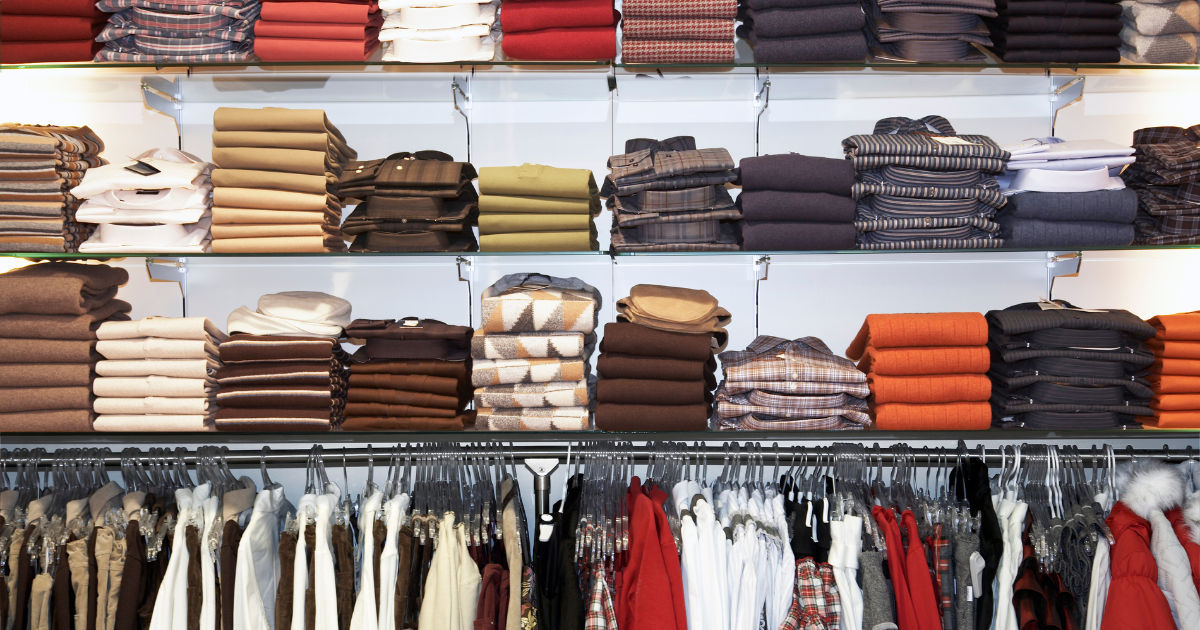
Understanding how to properly maintain and care for winter cloths is essential to keep them looking new and feeling comfortable.
This guide will cover practical tips and techniques to ensure your winter wardrobe remains in excellent condition for years.
Understanding Your Winter Clothes
Winter cloths come in various fabrics, each requiring specific care. Wool, cashmere, down, and synthetic materials are common in winter wear. Knowing the material of your clothes is the first step in ensuring their longevity.
-
Wool: Durable and warm, wool requires gentle handling. It can shrink or become misshaped if washed in hot water.
-
Cashmere: Soft and luxurious, cashmere is delicate and needs careful washing to avoid pilling and stretching.
-
Down Jackets: Filled with feathers, down jackets provide excellent insulation but can lose their fluffiness if not stored or washed correctly.
-
Synthetic Fabrics: Polyester, acrylic, and blends are common in winter cloths. They are usually easier to care for but can attract lint.
Understanding the material allows you to choose the right washing, drying, and storage methods for your winter cloths.
Proper Washing Techniques
One of the biggest reasons winter clothes wear out quickly is improper washing. Here are some essential washing tips:
Read the Care Label
Always check the care label before washing. The label provides information on water temperature, washing method, and whether the garment should be hand-washed or dry-cleaned. Ignoring these instructions can damage the fabric.
Separate Clothes by Fabric
Wool sweaters should not be washed with heavy items like jeans. Separate winter cloths into categories such as delicate fabrics, heavy fabrics, and synthetics to avoid damage.
Use Cold Water
Cold water is gentler on winter cloths. It prevents shrinking, fading, and color bleeding, making your garments last longer.
Gentle Detergent
Use mild detergents designed for delicate fabrics. Harsh detergents can strip natural oils from wool or cashmere, causing them to become rough.
Hand Washing vs. Machine Washing
Some winter cloths, like wool and cashmere, should be hand-washed. When using a washing machine, select the gentle or delicate cycle. Avoid high spin speeds, which can distort the fabric.
Drying Your Winter Clothes
Drying is as important as washing. Improper drying can shrink, stretch, or damage your winter cloths.
Avoid Direct Sunlight
Direct sunlight can fade colors and weaken fibers. Dry your winter cloths in a shaded, well-ventilated area.
Lay Flat to Dry
For sweaters and delicate fabrics, lay them flat on a clean towel to dry. Hanging them can cause stretching, especially around the shoulders.
Avoid the Dryer
The heat from dryers can shrink and damage winter cloths. Air drying is always safer. If you must use a dryer, use a low heat setting and place items in a mesh laundry bag.
Storage Tips for Longevity
Winter cloths are often stored for several months. Proper storage is key to maintaining their shape and quality.
Clean Before Storing
Never store winter cloths while they are dirty. Stains can set in over time, and dirt attracts pests. Wash or dry-clean items before putting them away.
Fold, Don’t Hang
Heavy sweaters and coats can stretch out of shape if hung for long periods. Fold them neatly and store in drawers or shelves.
Use Breathable Storage Bags
Avoid plastic bags that trap moisture. Use cotton or linen bags to allow air circulation and prevent mold and mildew.
Protect from Pests
Moths and other insects are attracted to natural fibers. Use cedar blocks, lavender sachets, or mothballs to protect your winter cloths.
Repair and Maintenance
Regular maintenance can prevent small issues from becoming big problems.
De-Pill Sweaters
Wool and cashmere can develop small balls of fiber known as pills. Use a fabric shaver or a sweater comb to gently remove them.
Repair Minor Damage
Fix small tears or loose buttons immediately. Delaying repairs can result in permanent damage.
Rotate Clothes
Avoid wearing the same item repeatedly without giving it rest. Rotating winter cloths allows fibers to recover and reduces wear.
Special Tips for Specific Winter Cloths
Certain winter cloths require unique care practices.
Wool and Cashmere
-
Wash in cold water with a mild detergent.
-
Lay flat to dry on a towel.
-
Store folded, not hung.
Down Jackets
-
Wash using a gentle cycle and mild detergent.
-
Dry with clean tennis balls to restore fluffiness.
-
Store loosely to prevent compression of feathers.
Synthetics
-
Wash in cold or lukewarm water.
-
Can usually be machine dried on low heat.
-
Avoid ironing as high heat can melt fibers.
Seasonal Care Routine
To maximize the lifespan of your winter cloths, follow a seasonal care routine:
Before Winter
-
Inspect all winter cloths for damage and repair any issues.
-
Wash and dry all items before wearing.
-
Store items not in use in breathable bags.
During Winter
-
Follow proper washing and drying techniques.
-
Rotate clothes to prevent excessive wear on a few items.
-
Remove pills and lint regularly.
After Winter
-
Wash or dry-clean all winter cloths before storing.
-
Ensure items are completely dry to prevent mold.
-
Fold and store in a cool, dry place.
Avoid Common Mistakes
Many people unknowingly reduce the lifespan of their winter cloths by making simple mistakes.
-
Overwashing: Frequent washing can wear out fibers. Only wash when necessary.
-
Using Hot Water: Hot water can shrink and damage fabrics. Always follow care instructions.
-
Improper Storage: Hanging heavy sweaters or storing in plastic can ruin fibers.
-
Ignoring Small Repairs: Small tears or loose buttons should be addressed immediately.
Benefits of Proper Winter Clothes Care
Taking care of winter cloths is more than just keeping them looking nice. Proper maintenance:
-
Extends the lifespan of garments.
-
Saves money by reducing the need for replacements.
-
Keeps clothes comfortable and functional.
-
Maintains color, texture, and overall appearance.
By following these guidelines, you ensure that your winter wardrobe remains stylish, cozy, and durable year after year.
Eco-Friendly Winter Clothes Care
Caring for winter cloths properly also has environmental benefits. Reducing the frequency of washing and avoiding harsh chemicals helps conserve water and reduce pollution. Choosing natural detergents and air drying instead of using energy-intensive dryers can also lessen your carbon footprint.
Conclusion
Winter cloths are an essential part of staying warm and stylish during the cold months. However, without proper care, even the most expensive and high-quality garments can quickly lose their appeal. Understanding the fabric, following proper washing and drying techniques, storing items correctly, and performing regular maintenance are key steps to prolonging the life of your winter wardrobe. By taking these precautions, you can enjoy cozy sweaters, elegant coats, and soft scarves for many winters to come, while also saving money and contributing to eco-friendly practices.
By investing time and effort into caring for your winter cloths, you ensure that every item remains a valuable part of your wardrobe, season after season. Treat your clothes well, and they will reward you with warmth, comfort, and style for years to come.