
Introduction
Hazardous work environments such as chemical substance plants, oil refineries, mining sites, and restrained industrial spaces submit risks correlative to toxic and combustible gases. Workers in these areas are often uncovered to unseen threats like carbon paper monoxide, atomic number 1 sulphide, methane, and other harmful gases that can cause serious wellness issues or even inevitable accidents. The biggest challenge is that these gases are often inodorous and invisible without specialised equipment.
To turn to this critical safety refer, industries are increasingly adopting advanced signal detection technologies that cater real-time alerts and skillful measurements. These systems are studied to identify gas leaks early, helping prevent accidents before they intensify into breakneck situations.
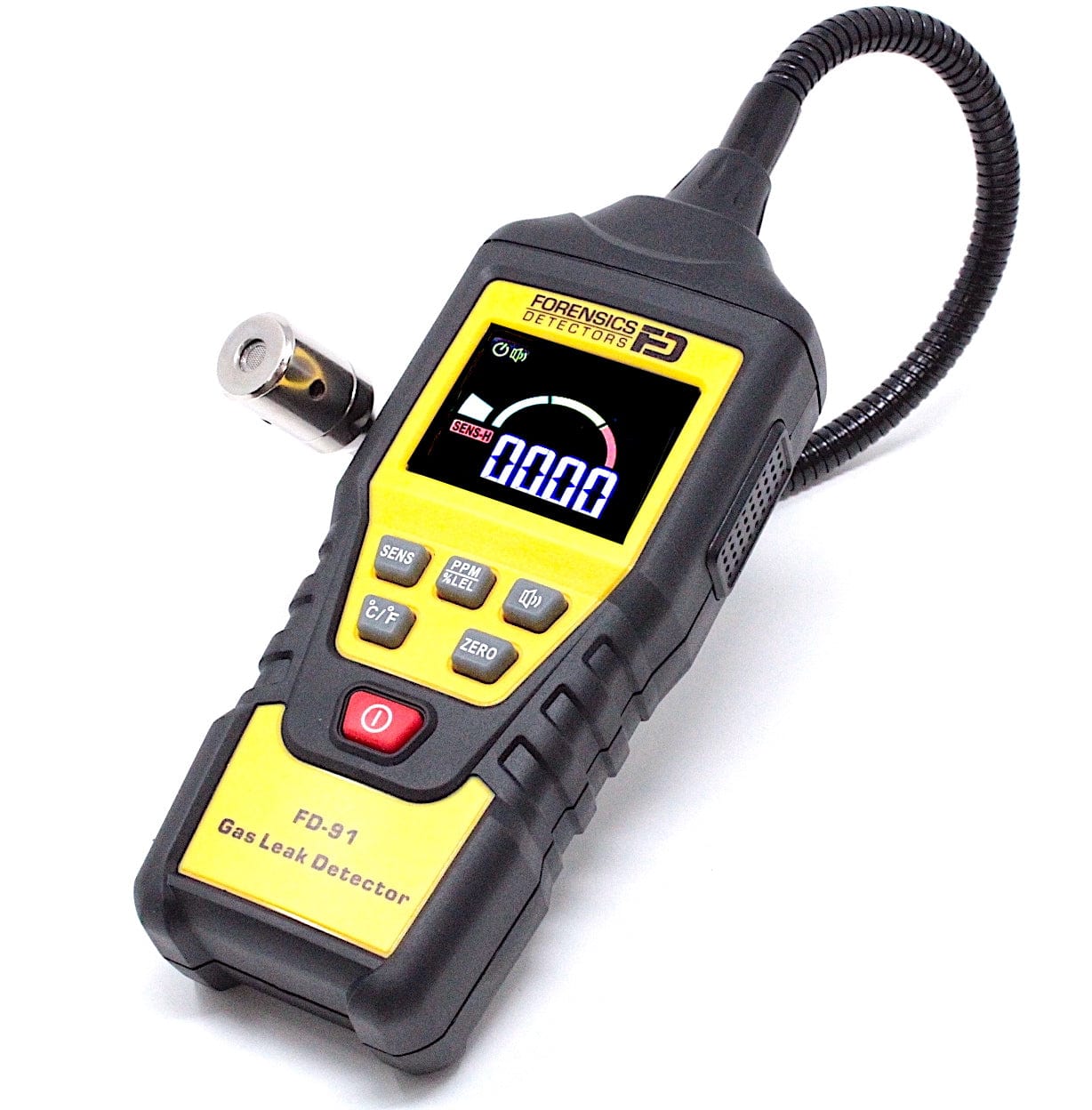
Accurate Gas Monitoring Solutions for Hazardous Work Environments play a life-sustaining role in ensuring workplace refuge, regulatory compliance, and operational . These solutions help organizations protect their work force while maintaining smooth and uninterrupted operations.
Importance of Gas Monitoring in Hazardous Areas
In high-risk environments, even a small gas leak can lead to crushing consequences, including explosions, intoxication, or long-term state of affairs damage. This makes straight gas monitoring an necessity safety prerequisite rather than an elective tool.
Without proper monitoring systems, companies may face:
Increased risk of workplace accidents
Severe health hazards for employees
Legal penalties for safety violations
Production downtime due to emergencies
Environmental contamination issues
Implementing dependable gas signal detection systems importantly reduces these risks and ensures safer workings conditions.
How Accurate Gas Monitoring Systems Work
Modern gas monitoring systems use hi-tech sensor engineering science to notice the presence and concentration of wild gases in real time. These devices unendingly psychoanalyze air timber and cater instant alerts when gas levels exceed safe thresholds.
Key Components of Gas Monitoring Systems:
Electrochemical sensors for cyanogenetic gases
Infrared sensors for combustible gases
Catalytic bead sensors for plosion risk detection
Wireless connectivity for remote control monitoring
Audible and seeable alarm systems
These technologies work together to check fast and trustworthy detection, allowing workers to respond apace to potentiality threats.
Applications in High-Risk Industries
Accurate gas monitoring solutions are widely used across industries where to unsafe gases is a constant bear on.
Common Applications Include:
Oil and gas and refining
Chemical manufacturing plants
Mining and resistance operations
Wastewater handling facilities
Confined space work
Power generation plants
In each of these environments, unremitting monitoring is necessity to exert safe air timber and keep accidents.
Features of Advanced Gas Monitoring Solutions
Modern gas detection systems are premeditated to volunteer high performance, lastingness, and ease of use in stimulating conditions.
Key Features:
Real-time moniteur d’ozone concentration tracking
Multi-gas detection capability
Portable and fixed installment options
Automatic standardization and self-check functions
Cloud-based data logging and alerts
Long battery life for sphere use
These features see to it that safety teams can ride herd on dangerous areas with efficiency and react in real time to any risks.
Benefits of Using Accurate Gas Monitoring Systems
Investing in sophisticated gas monitoring engineering science provides many advantages for both workers and organizations.
Major Benefits Include:
Enhanced worker refuge and protection
Early signal detection of gas leaks and hazards
Compliance with refuge regulations and standards
Reduced risk of accidents and shutdowns
Improved work efficiency
Real-time data for better -making
These benefits make gas monitoring systems an necessity part of Bodoni heavy-duty safety management.
Choosing the Right Gas Monitoring Solution
Selecting the right system depends on the particular risks and requirements of the work. Not all environments want the same raze of signal detection or detector types.
Factors to Consider:
Types of gases submit in the environment
Area size and ventilation system conditions
Fixed vs. outboard monitoring needs
Alarm reply time and sensitiveness level
Maintenance and standardisation requirements
Proper survival ensures utmost tribute and long-term reliability.
Conclusion
Accurate Gas Monitoring Solutions for Hazardous Work Environments are essential for maintaining safety, preventing accidents, and ensuring regulatory submission in high-risk industries. With high-tech sensor engineering science and real-time monitoring capabilities, these systems ply TRUE tribute against occult gas hazards. By implementing the right gas signal detection root, organizations can safeguard their hands, tighten work risks, and create a safer workings environment for everyone involved.